

Because it’s spring 🌷 and you know what that means!
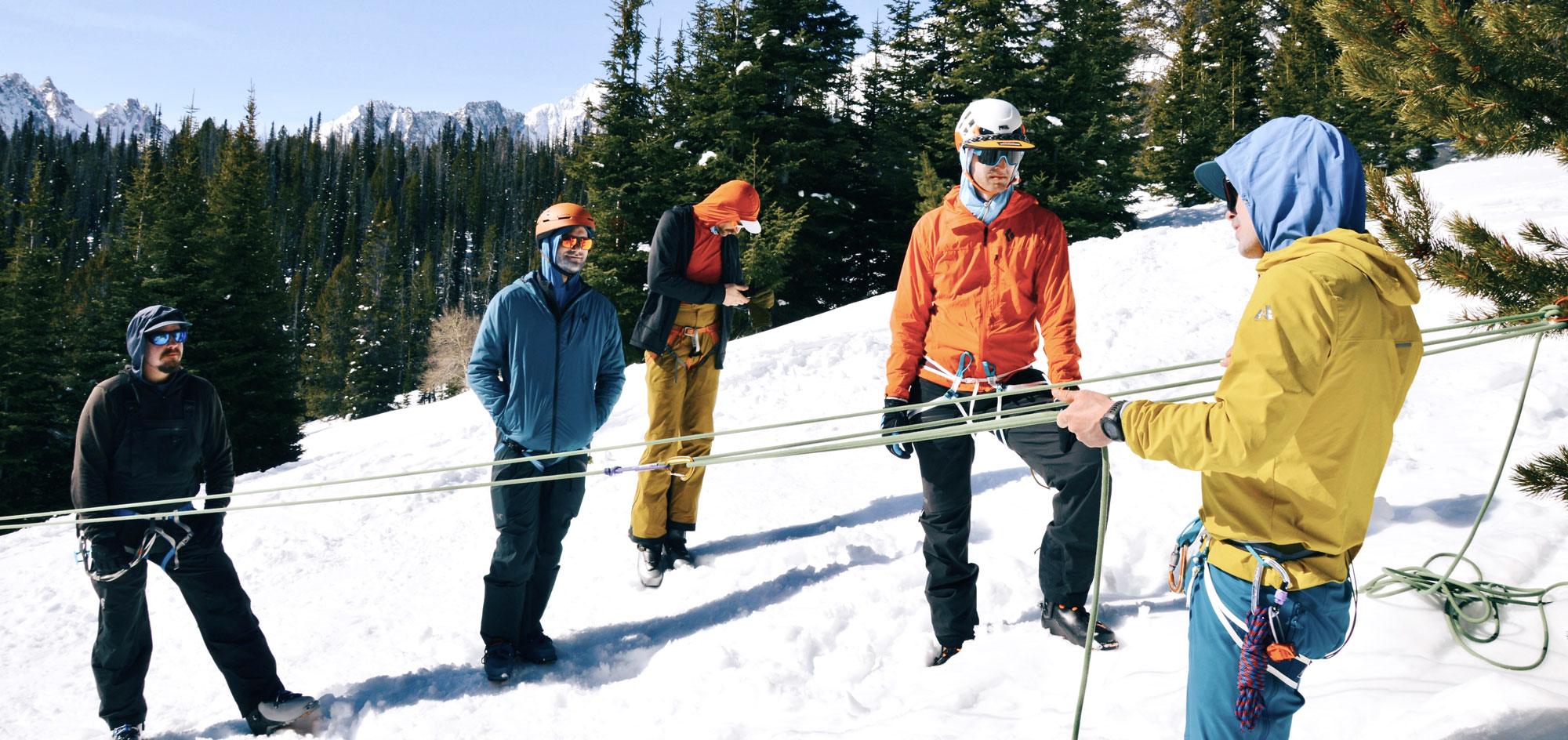
About a year ago, I headed to the Sawtooths for a ski mountaineering camp with Sawtooth Mountain Guides. While the avy conditions prevented us from venturing into any consequential terrain, our guides’ expertise, creativity and sense of humor made for an awesome four days packed with a whole lotta learning.
This winter, I called up guide and part-owner of Sawtooth Mountain Guides Niels Meyer, who was also an instructor for the camp, to chat crevasse rescue. With spring here, those rope skills are increasingly key. For those, like myself, who are donning sharps and harnesses, here are a few refresher spring and ski mountaineering focused pieces to help us all get a little further into the mountains.
Greta
What’s on Your Coffee Table?
Are you a collector? Do you have a favorite issue? Snap a photo with it and tell us why in a few words—send it to greta@backcountrymagazine.com—and we’ll share it in our newsletter and on social media!
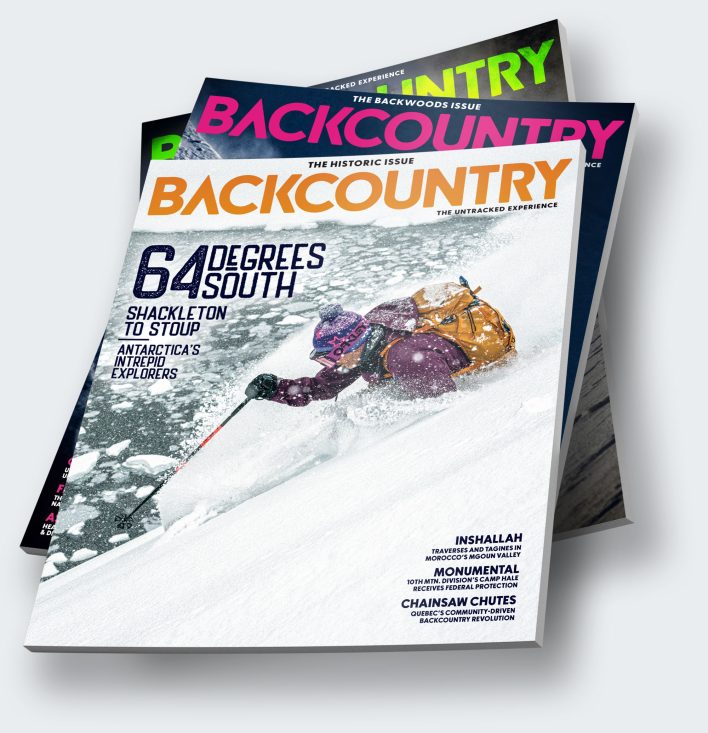
Get The Historic Issue
There is something to be said for the interwoven exploration of history and land. Whether it’s from the perspective of fur traders and glade-cutting teleskiers on Quebec’s Gaspé Peninsula; via the curious lens of a photographer traversing Morocco’s Mgoun Massif; recognizing the impact of the 10th Mountain Division on U.S. backcountry skiing and mountaineering; or from a thoughtful writer’s investigation of what “home” means in Colorado’s mountains.
Then there are those looking to the future. The former U.S. Snowboard Team slalom racer who, after being diagnosed with myriad autoimmune diseases, including Type 1 Diabetes, has splitboarded around the world and founded an organization to help get more kids with diabetes into sports. And there’s the tele skier who found community in the National Brotherhood of Skiers and is working to get more Black people on the skintrack.
These are the histories, the stories and the efforts that bridge past and present and shape a better future for our sport. Subscribe now to get the issue.
-
 Stories |
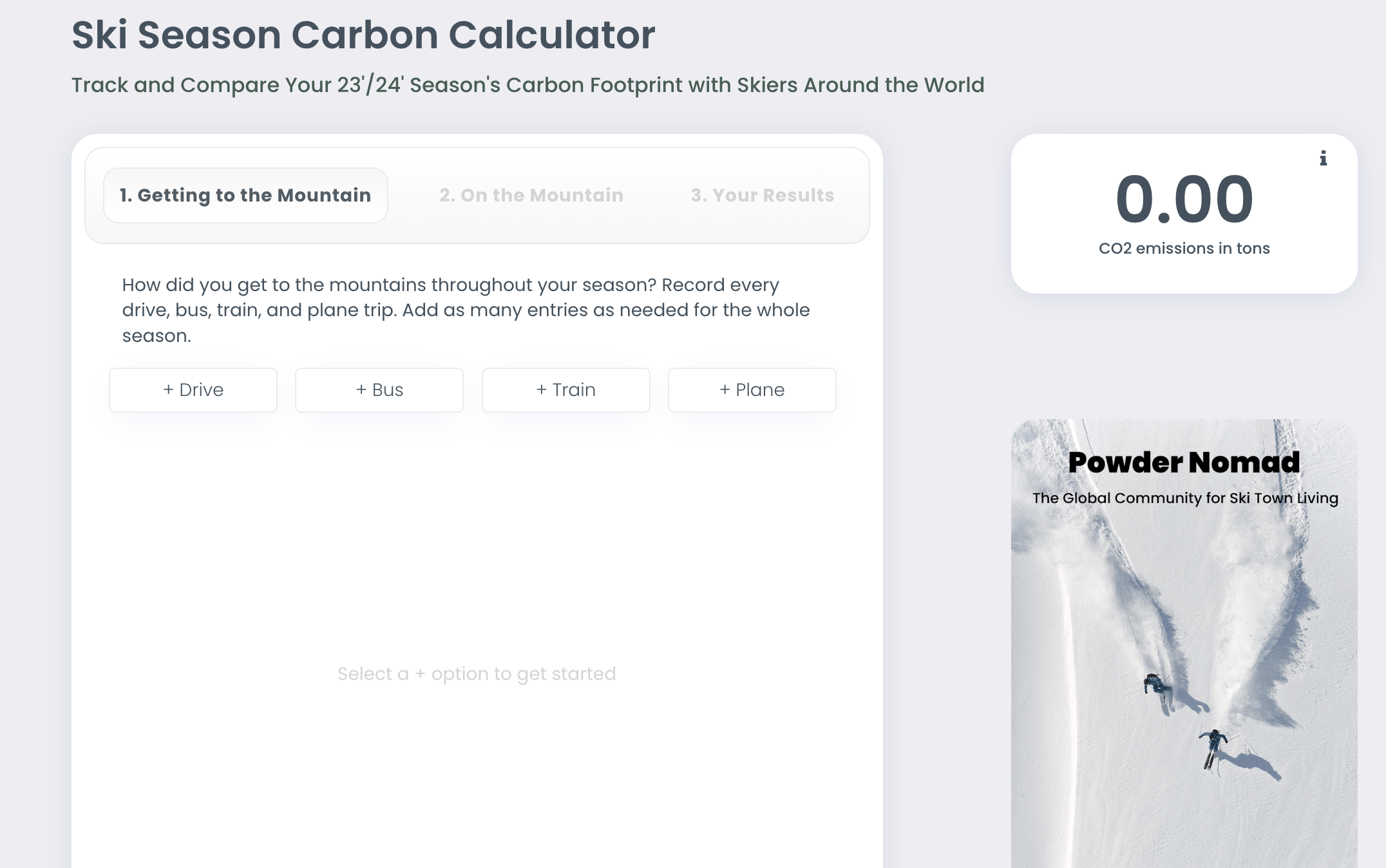
What’s Your Carbon Ski-print: Nomadic Skier Creates Carbon Calculator for Earth Day
Have you ever wondered the CO2 impact of a ski trip? Now there’s a way to find out.
-
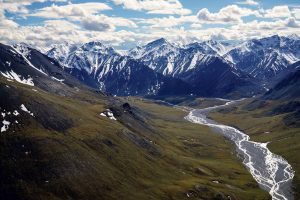
The Sacred Place Where Life Begins
With the threat of drilling on the jagged horizon of the Arctic National Wildlife Refuge, a skier and conservationist looks to the local Indigenous community for answers.
-
Mountain Skills: Crevasse Rescue
It’s hard to know where to start with a complex skill like crevasse rescue. Rope handling? Reading a glacier? Mechanical advantage? Guide Niels Meyer highlights what’s critical.
Gear
-
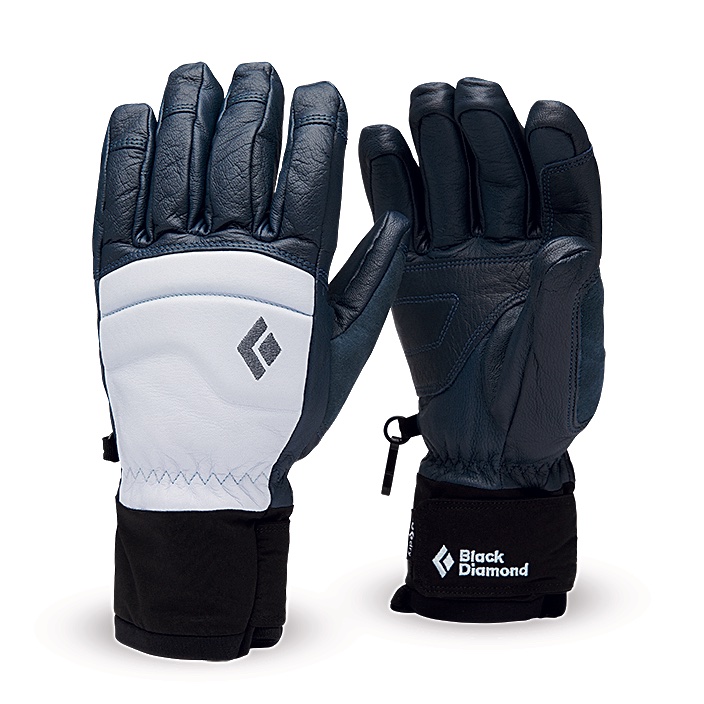
Gearbox: 2024 Gloves
Keeping your hands warm and dry on any tour is a must. But depending on the weather, the best glove or mitten for the job changes. So, we reviewed the whole gamut—from extra warm mitts to low profile glove liners.
-
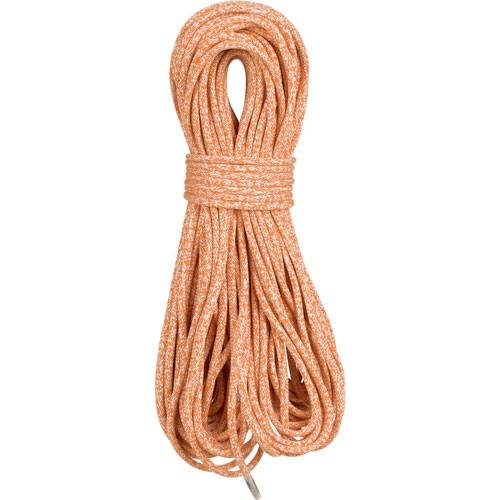
Gearbox: 2024 Ropes
For ski mountaineering, it’s crucial to pick the right rope for the job. These lines are designed to fit specific needs all while keeping you safe.
-
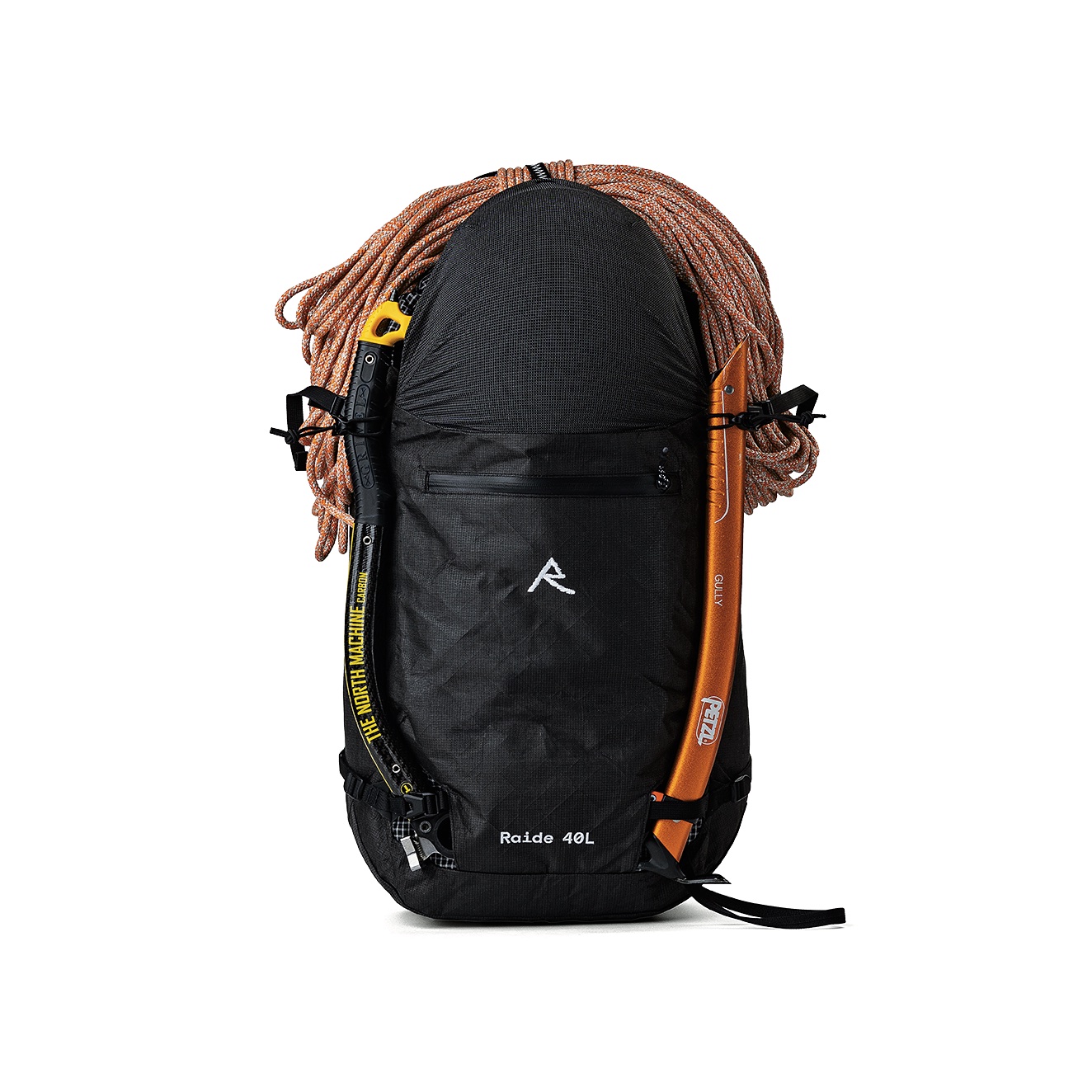
Gearbox: 2024 Spring Ski Mountaineering Collection
‘Tis the season for sharps and harnesses. Here’s the tested gear we’re trusting to get us and our skis high into the mountains this spring.
-
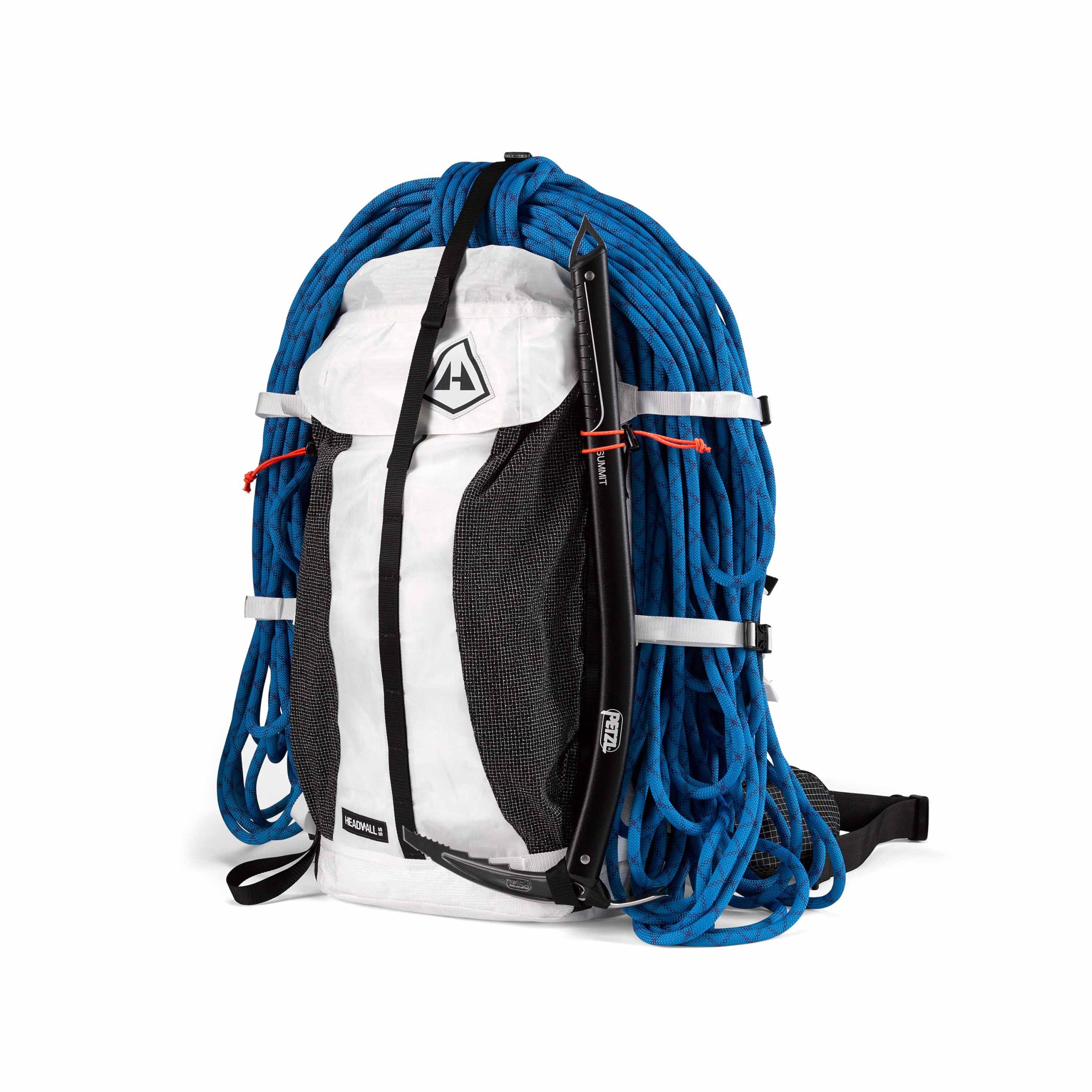
Gearbox: 2024 Backcountry Packs
From hot laps to long traverses, these packs are built to match varied objectives, store all the necessary gear and keep you moving in comfort and style.
MORE GEAR
-
Gearbox: 2024 Sport Watches
Whatever the objective, these sports watches are pretty smart. They’ll help you track your stats in any climate, on any adventure.
-
Gearbox: 2024 Helmets
Check out the buckets designed to keep your noggin protected while staying comfortable and light.
-
Gearbox: 2024 Goggles
In a range of sizes and shades, these goggles can react to the light, be easily replaced and will keep your eyes protected whatever the conditions.
-
Gearbox: 2024 Avalanche Airbag Packs
They might come with a heavy price tag, but airbags, both in packs and vests, can be a lifesaving piece of gear in a worst-case scenario.
The Backcountry Podcast
From legendary athletes to iconic product designers, activists to guides, our world is filled with new views, wisdom, determination and crustiness.
Latest Podcast Episodes
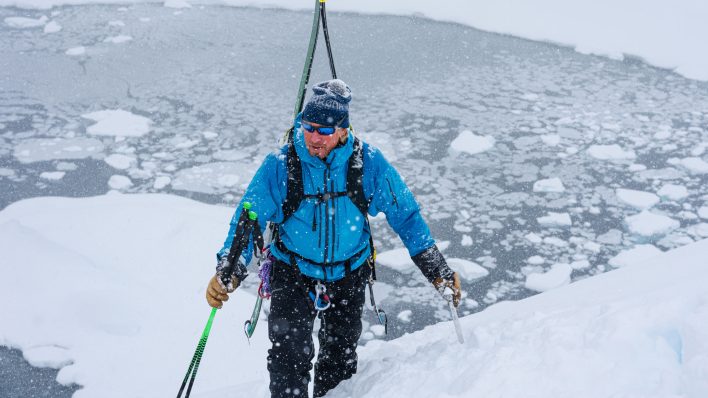
From playing NCAA soccer to a successful modeling and acting career to being the top polar explorer of his time, Doug Stoup is an enigma. Host Adam Howard recently journeyed to Antarctica with Stoup and their conversation ranges from Doug’s personal training of A-list Hollywood actors to near death experiences; adventures with Doug Coombs; and taking novice skiers to the South Pole.
Tele Mike Russell: Turns for All
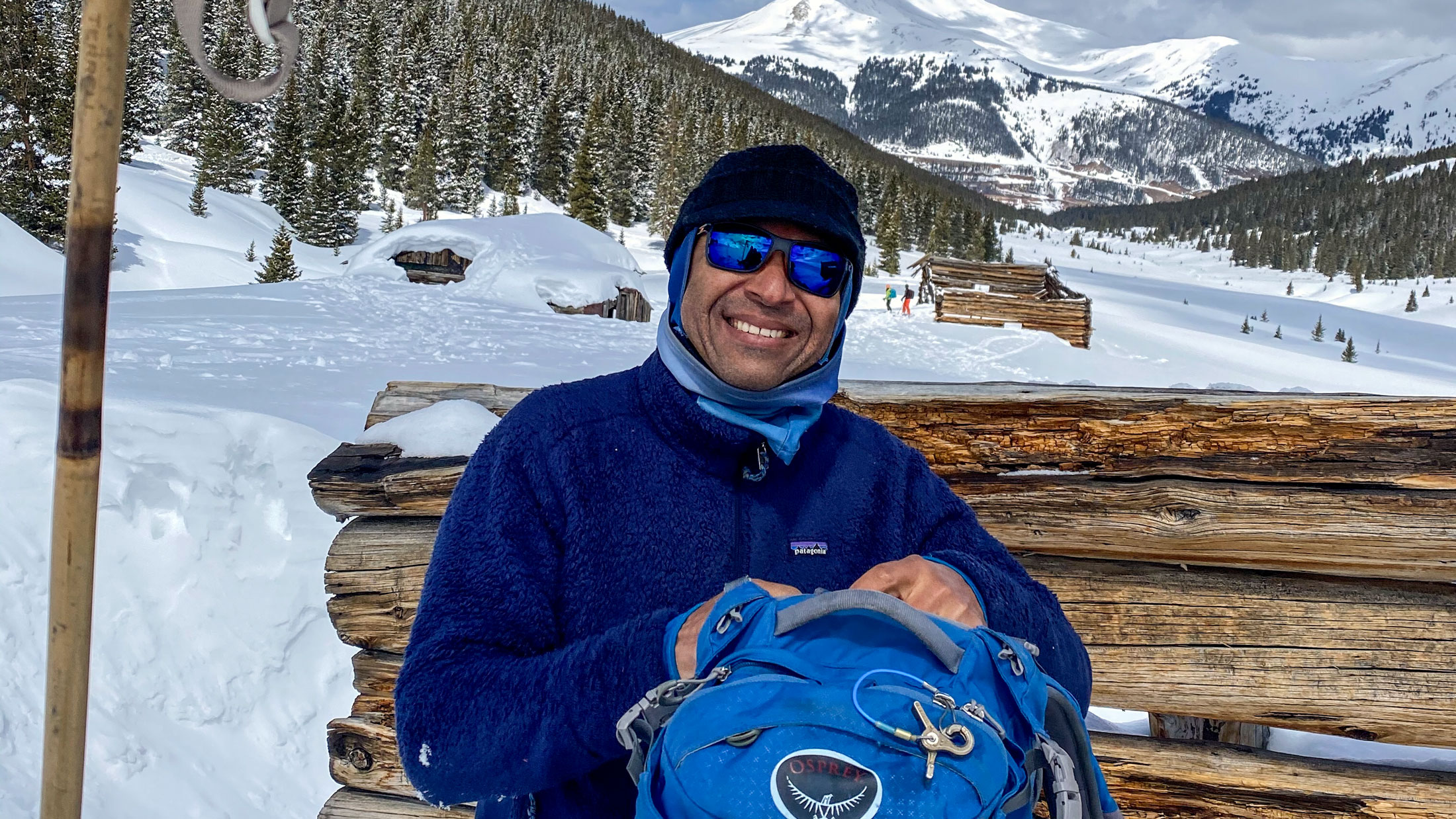
Tele Mike Russell grew up as a sharecropper’s son in Delaware before attending college and becoming an executive in the pharmaceutical industry. Then he watched the second plane hit the World Trade Center and decided he’d better follow another path, this one to skiing in Colorado, where he’d go on to find a family in the National Brotherhood of Skiers and help found its backcountry program.
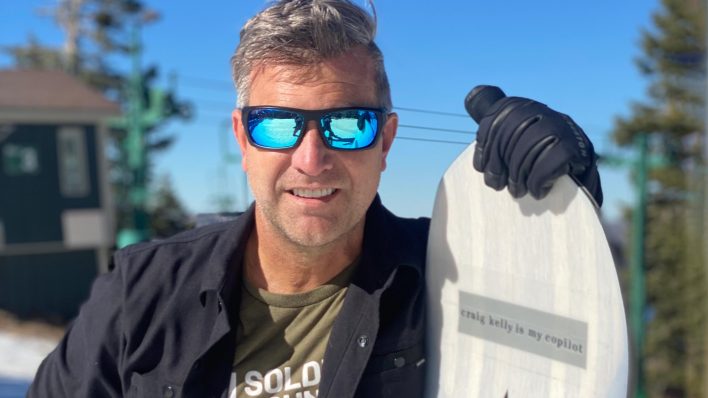
Eric Blehm’s roots in snowboarding run deep. He started riding during the sport’s infancy, and after college became an editor at Transworld SNOWboarding Magazine. Years later, he was in a lift line when a fellow rider saw the “Craig Kelly is my Co-Pilot” sticker on his board, and asked Blehm: “Who is Craig Kelly?” He was floored by the notion that there were snowboarders out there who didn’t know who Craig was. And this inspired him to write The Darkest White.
Mountain Skills
-
Mountain Skills: Anticipating Point Release Avalanches
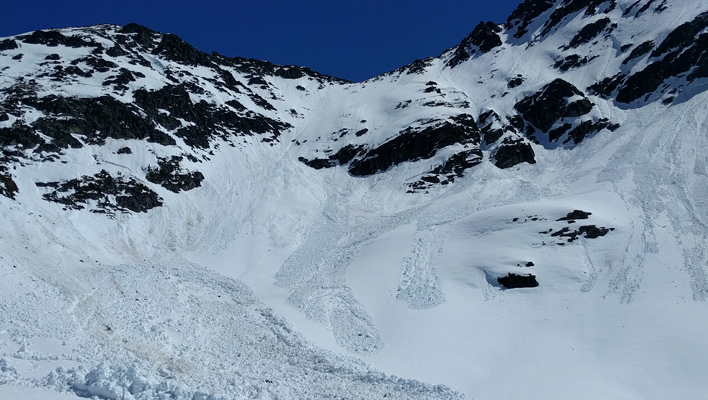
As the spring approaches, many of us turn our attention to steeper, more technical lines higher in the mountains. The layers of snow that formed throughout the winter begin to gain strength and the avalanche problem is less complicated—it’s ski mountaineering season! But as the temperatures climb, wet avalanches become a more regular, primary concern.
Resort Skinning Policies
We’ve compiled a database of U.S. resorts with a little about each individual policy—where and when skinning is allowed, whether or not it’s free during operating hours and the link directly to the resort’s guidelines.
-
Mountain Skills: Take the time to be prepared for early season turns
It’s late fall and many mountains throughout the U.S. have seen some decent early season snow. As a result, stoke is high and people are itching to ski. Guide Steve Banks shares his thoughts on how to capitalize on the early bounty.
-
Mountain Skills: How to Prepare for Your Level 1 Avalanche Course
Beacon. Shovel. Probe. For years, these have been the standard required tools for heading into the backcountry. But what good are they without the proper training in how to recognize hazards and use them effectively? That’s where a 24-hour Level 1 avalanche certificate course comes into play.
-
Mountain Skills: Why You Should Upgrade Your Avalanche Transceiver
Imagine your best friend buried under frozen avalanche debris. Precious minutes have passed, and you are still fumbling around on the debris surface because the outdated transceiver you are searching with is unreliable and malfunctioning. According to Dale Atkins, former president of the American Avalanche Association and a 30-year avalanche professional, any transceiver more than…
-
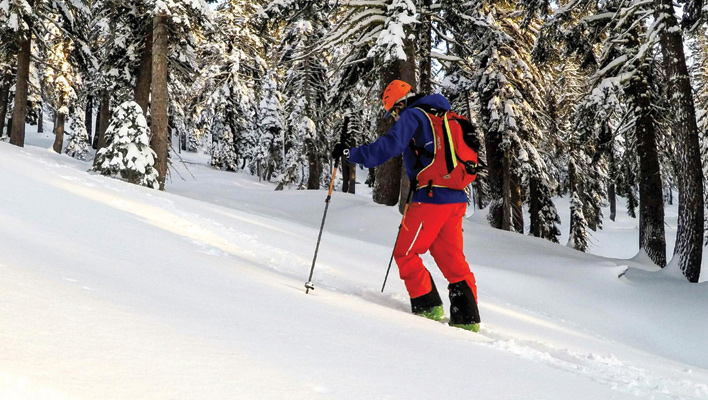
Mountain Skills: The tools and tricks to stay motivated in the skintrack
In 2016, Aaron Rice skied 2.5 million human-powered vertical feet, and there were definitely times when he just didn’t feel like skinning. He often wanted to ski one less run or even lay down in the snow and cry. But he knew that, to reach his goal, he had to become a master of motivating…